
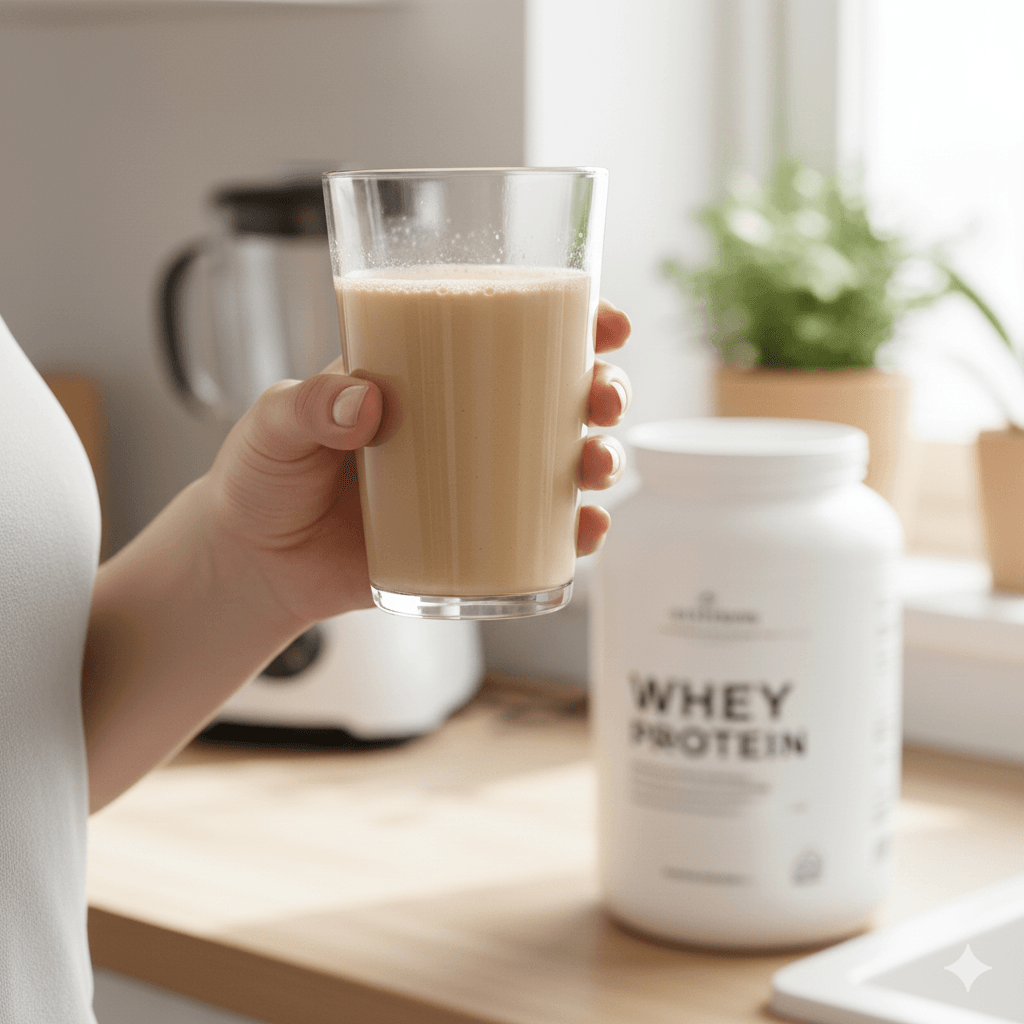
Clinical Verdict: For women, the optimal times for protein shakes are post-workout (muscle recovery) and mid-afternoon (appetite suppression). However, total daily intake (1.2–1.7g/kg) is the most critical metric for fat loss.
As Dr. Anya Sharma, with my background in metabolism and clinical practice, I’ve seen countless women navigate the complexities of weight loss. It’s not just about counting calories; it’s about understanding how your body works and making smart, strategic choices. One question that comes up often is about protein shakes. Are they a magic bullet? When is the best time to drink them to actually help you shed pounds?
When to Drink Protein Shakes for Weight Loss: A Woman’s Guide
Truth be told, the timing of your protein intake can make a surprising difference. It’s not just about the protein itself, but how and when you use it to support your body’s natural processes. Let’s dive into the science and practical application.
The Science Behind Protein and Weight Loss
Why Protein Matters for Female Metabolism
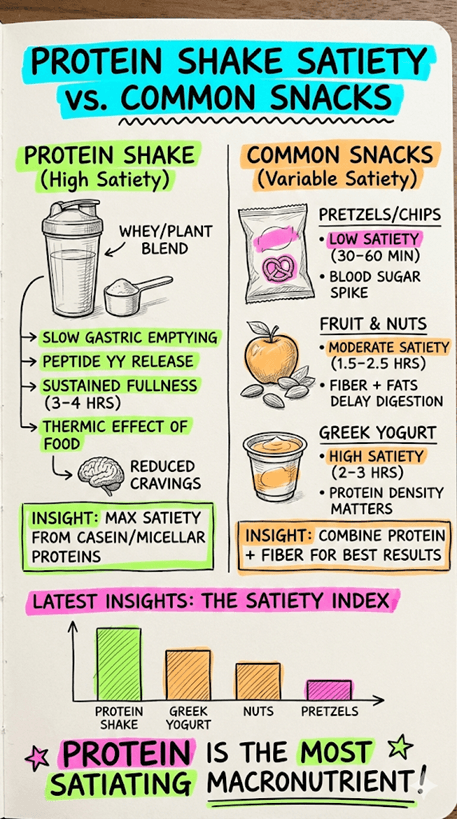
For women, protein is a powerhouse nutrient. It plays a crucial role in keeping you feeling full, which means less mindless snacking. Higher protein intake has been shown to increase satiety, helping you feel satisfied for longer periods after meals.
Beyond appetite control, protein is essential for preserving your hard-earned muscle mass, especially when you’re in a calorie deficit for weight loss. Muscle is metabolically active, meaning it burns calories even at rest. Protecting muscle mass during weight loss is key for long-term metabolic health.
There’s also the thermic effect of food (TEF). Protein has a higher TEF than carbs or fats, meaning your body burns more calories digesting it. This small but significant boost can contribute to your overall calorie expenditure. The thermic effect of protein is estimated to be between 20-30% of its caloric content.
Understanding Your Caloric Needs
At its core, weight loss is about creating an energy deficit. You need to consume fewer calories than your body uses. While protein supports this by promoting satiety and preserving muscle, it’s still crucial to be mindful of your total daily intake. Sustainable weight loss involves a balanced approach to diet and exercise.
Optimal Timing for Protein Shakes
Morning Kickstart: Pre- or Post-Breakfast?
Starting your day with protein can set a positive tone for your metabolism and hunger levels. Some find that a protein shake before breakfast helps manage morning cravings. Others prefer it post-breakfast to boost satiety throughout the morning.
The key is to find what works for your schedule and hunger cues. If you find yourself reaching for pastries by 10 AM, a protein shake earlier in the day might be beneficial. A protein-rich breakfast can lead to reduced calorie intake at subsequent meals.
Consider your fasting windows if you practice intermittent fasting. For some, a shake early on breaks their fast effectively. For others, it might be better consumed after their first meal to extend the feeling of fullness.
The Post-Workout Power-Up
This is perhaps the most commonly discussed time for protein shakes. The concept of the ‘anabolic window’ suggests a crucial period after exercise where your body is primed for muscle repair and growth. While the window is likely wider than the often-cited 30-60 minutes, consuming protein post-workout is still highly beneficial.
Protein provides the amino acids necessary for muscle protein synthesis. Adequate protein intake post-exercise supports muscle repair and adaptation. This is crucial for women aiming to lose weight, as it helps maintain lean muscle mass which is vital for a healthy metabolism.
Don’t stress too much about precise timing; a protein source within a few hours of your workout will likely suffice. The overall daily protein intake is often more impactful. Studies suggest that total daily protein intake is a primary driver of muscle adaptation.
Battling Afternoon Slumps and Cravings
I recall a patient, a busy professional in her late 30s, struggling with consistent energy levels and cravings between meals. By strategically incorporating a protein shake post-workout and as an afternoon snack, she saw a significant reduction in her desire for sugary treats and felt more satiated throughout the day. Which was crucial for her adherence to her weight loss plan.
The afternoon slump is a common enemy of weight loss. Between lunch and dinner, energy dips can lead to reaching for quick, often unhealthy, fixes. A protein shake can act as a healthy, satiating snack, bridging the gap and preventing overeating at dinner.
| Snack Option | Calories (Approx.) | Protein (Approx.) | Satiety Factor | Sugar Content |
|---|---|---|---|---|
| Protein Shake (1 scoop powder + water) | 120-150 | 20-25g | High | Low (depending on powder) |
| Handful of almonds | 170 | 6g | Medium | 0g |
| Apple with peanut butter (2 tbsp) | 290 | 8g | Medium-High | Moderate |
| Granola bar | 180-250 | 2-5g | Low-Medium | High |
Evening Considerations: Before Bed?
Drinking a protein shake before bed is a more nuanced topic. Some research suggests that consuming slow-digesting proteins, like casein, before sleep can aid in muscle repair and recovery overnight. Ingesting casein protein before sleep has been shown to increase overnight muscle protein synthesis.
However, for weight loss, the total daily calorie intake is paramount. If adding a pre-bed shake pushes you over your calorie goal, it could hinder your progress. Consider your overall diet and activity levels. If you’re very active or have a significant gap between dinner and waking, a small, slow-digesting protein source might be beneficial. For many, it’s simply unnecessary and adds extra calories.
Tailoring Your Protein Shake Strategy
Factors to Consider:
No two women are alike, and your protein shake strategy should reflect that. Think about your lifestyle and habits.
- Activity Levels: Are you hitting the gym daily, or are you more sedentary? Higher activity generally means a greater need for protein for muscle repair.
- Dietary Habits: Do you struggle to get enough protein from whole foods? Shakes can supplement your intake. Are you already eating a high-protein diet? You might not need them as much.
- Personal Preferences: Do you enjoy the taste and convenience? If it feels like a chore, you’re less likely to stick with it.
Types of Protein Powders for Women
The market is flooded with options. Here’s a quick breakdown:
| Protein Type | Pros | Cons | Best For |
|---|---|---|---|
| Whey Protein (Concentrate, Isolate, Hydrolyzed) | Fast-digesting, complete amino acid profile, readily available. | Dairy-based (potential allergen), some people experience digestive issues. | Post-workout recovery, general protein supplementation. |
| Casein Protein | Slow-digesting, provides sustained release of amino acids. | Dairy-based, can be thicker, less ideal immediately post-workout. | Before bed, keeping you full longer. |
| Plant-Based Protein (Pea, Soy, Rice, Hemp, etc.) | Dairy-free, often hypoallergenic, sustainable sourcing. Soy is a complete protein. | Some plant proteins are incomplete (lack certain amino acids), can have a grittier texture or distinct taste. | Vegans, vegetarians, those with dairy allergies/intolerances. Look for blends for a complete amino acid profile. |
When choosing, look for powders with minimal added sugars and artificial ingredients. Consider protein powders that fit your dietary needs and preferences.
Integrating Shakes into a Balanced Diet
A protein shake is a tool, not a replacement for a balanced diet. It’s easy to get caught up in the convenience and overlook the importance of whole foods. Your diet should consist of a variety of nutrient-dense foods like lean meats, fish, eggs, dairy, fruits, vegetables, and whole grains.
Think of shakes as a strategic addition. They can help you meet your protein goals when whole food options are inconvenient or when you need a quick nutrient boost. Protein is one of the three macronutrients essential for a balanced diet.
Common Questions and Expert Insights
Can I drink protein shakes on rest days?
Absolutely. Muscle repair and growth don’t stop on rest days; in fact, they happen then. Protein is still crucial for recovery and maintaining lean muscle mass. Adequate protein intake is vital for recovery from strenuous exercise.
How many protein shakes are too many?
This depends on your total daily protein needs, which are influenced by your activity level, weight, and goals. A general guideline for active women is around 1.2-1.7 grams of protein per kilogram of body weight. Consuming significantly more than your body needs won’t necessarily accelerate weight loss and can add unnecessary calories. Excessive protein intake is not recommended.
What should I mix my protein shake with?
Water is the lowest-calorie option. For added nutrients and flavor, you can use unsweetened almond milk, coconut milk, or even regular milk if it fits your macros. Adding fruits like berries or a small banana, spinach, or a spoonful of nut butter can enhance taste and nutritional profile, but be mindful of the added calories.
Making Informed Choices
The Role of Diet Quality
Remember, the quality of your entire diet matters most. Protein shakes are a supplement to, not a substitute for, a diet rich in whole foods. Focus on lean proteins, complex carbohydrates, healthy fats, and plenty of fruits and vegetables.
| Meal/Snack | Option 1 (Shake Integration) | Option 2 (Whole Foods Focus) |
|---|---|---|
| Breakfast | Protein shake with berries and spinach. | Scrambled eggs with whole-wheat toast and avocado. |
| Lunch | Grilled chicken salad with mixed greens and a light vinaigrette. | Lentil soup with a side salad. |
| Afternoon Snack | Protein shake. | Greek yogurt with a small handful of nuts. |
| Dinner | Baked salmon with roasted broccoli and quinoa. | Lean ground turkey stir-fry with brown rice and mixed vegetables. |
| Evening (Optional) | Small protein shake (e.g., casein if preferred). | Small handful of almonds. |
Listening to Your Body
Individual responses to protein timing and intake can vary. Pay attention to how you feel. Do you have more energy? Are your cravings reduced? Are you recovering well from workouts? Adjust your strategy based on your body’s signals. Personalized nutritional strategies are often most effective.
Case Study
My patient, Maria’s success story highlights a key principle: strategic integration. By using a protein shake not just randomly, but at specific times. Post-workout and as an afternoon snack. She addressed her energy dips and cravings effectively. This demonstrates how protein shakes can be powerful allies when used thoughtfully to support weight loss goals.
Common FAQs
There isn’t one single ‘absolute best’ time for everyone. However, post-workout and as an afternoon snack to combat cravings are often highly effective for satiety and muscle support. Consider your personal schedule and hunger cues.
It can if it causes you to exceed your daily calorie needs. If you are mindful of your total calorie intake, a slow-digesting protein before bed might aid recovery. But for many, it’s an unnecessary calorie addition.
Whey is a dairy-derived, fast-digesting complete protein, excellent for post-workout. Plant-based proteins are suitable for vegans or those with dairy sensitivities; look for blends to ensure a complete amino acid profile. The primary difference for weight loss is how they fit your dietary needs and preferences.
Protein timing can influence satiety, potentially leading to reduced calorie intake at subsequent meals. Post-workout protein supports muscle repair, which is vital for maintaining a healthy metabolism. Consistently adequate protein intake throughout the day is key.
Yes, you can, but it should be done strategically. A well-balanced protein shake can replace a meal if it contains adequate protein, some healthy fats, and fiber. However, relying solely on shakes can lead to nutrient deficiencies and a less satisfying eating experience. Meal replacement shakes can be part of a weight loss plan.
Excessive protein intake can potentially lead to digestive issues (bloating, gas), dehydration, and in very extreme cases, strain on the kidneys. More practically for weight loss, it adds unnecessary calories. Stick to your recommended daily intake.
You might also find our article on High-Protein Breakfast Ideas for Weight Loss helpful, as well as The Role of Macronutrients in Female Metabolism.
Making Informed Choices
Strategically timing your protein shakes can significantly amplify your weight loss efforts as a woman. By understanding your body’s needs and integrating these powerful supplements thoughtfully, you build a foundation for sustainable results.
The journey to weight loss is multifaceted, and understanding how to leverage nutrients like protein can be a game-changer. It’s about smart integration, not just consumption
Dr. Anya Sharma
Today, commit to identifying one key moment in your day where a protein shake can become your ally. Start sipping smarter, and watch your progress accelerate!
Medical Disclaimer: The information provided in this content is intended for educational purposes only and does not constitute medical advice. Always consult with a qualified healthcare professional before making any decisions related to your health or treatment.
Author Safety Statement: Dr. Anya Sharma is an MD from UPenn and holds a PhD from Harvard, specializing in metabolism. Her clinical practice in Boston focuses on understanding how the body processes nutrients for optimal health. Safety Statement: Always consult with a healthcare professional before starting any new dietary supplement or weight loss plan.

