
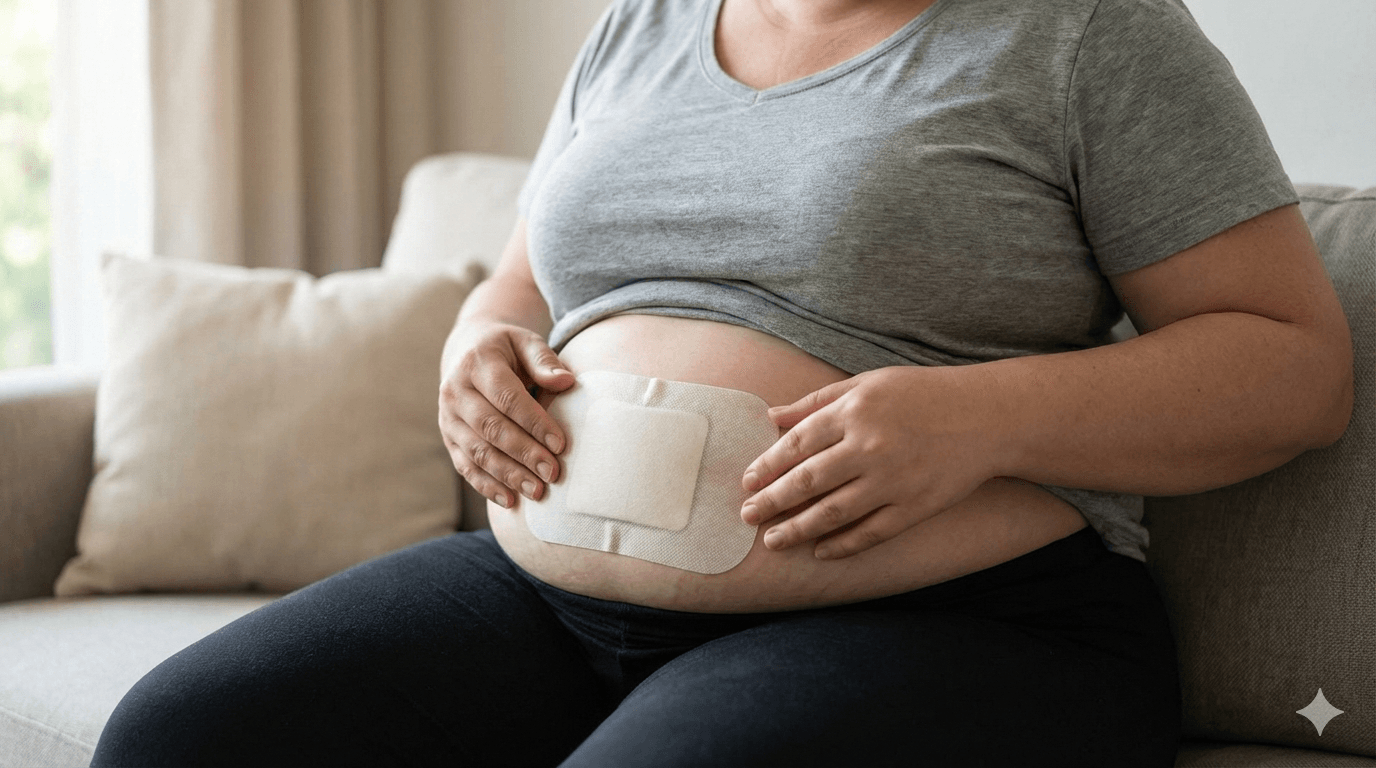
Medical Verdict: While transdermal technology is proven for small molecules like nicotine, most weight loss ingredients like Garcinia and Green Tea Extract are physically too large to penetrate the skin. Clinical evidence for patches remains minimal.
Understanding Weight Loss Patches
So, you’re wondering, are weight loss patches safe? It’s a common question as these products pop up everywhere. I’m Dr. Anya Sharma, and I’ve seen many patients explore these options. Let’s dive into what they are and how they work, or claim to work.
What Are Weight Loss Patches?
Weight loss patches are small adhesive pads you stick onto your skin. The idea is that they deliver ingredients directly into your bloodstream through your skin. This process is called transdermal absorption. Companies that make these patches say they contain natural herbs or chemicals that help you lose weight. They promise easier weight loss without pills or strict diets.
How Do They Claim to Work?
The claims vary from product to product. Some patches say they boost your metabolism, making your body burn more calories. Others claim to suppress your appetite, so you eat less naturally. Some even suggest they block fat absorption or increase your energy levels. They often use ingredients like caffeine, green tea extract, or Garcinia Cambogia. The skin absorbs these ingredients over a set period, usually 24 hours.
Safety Concerns and Medical Perspectives
Now, let’s get to the real question: are weight loss patches safe? This is where my medical background kicks in. As a medical professional, I always advise consulting with your primary care physician before starting any new supplement or weight loss regimen, including patches. While many ingredients are generally considered safe, individual reactions and interactions with existing conditions or medications are possible. Thorough research and professional medical advice are paramount.
Potential Side Effects of Common Ingredients
Many patches contain ingredients that can cause problems. For example, caffeine, a common ingredient, can lead to jitters, heart palpitations, and sleeplessness. Some herbal extracts, while natural, can also have side effects. These can range from digestive upset to more serious issues. It’s crucial to know what’s in the patch.
| Ingredient | Common Claims | Potential Side Effects |
|---|---|---|
| Caffeine | Boosts metabolism, increases energy | Anxiety, rapid heart rate, insomnia, digestive issues |
| Green Tea Extract (EGCG) | Increases fat burning, antioxidant | Nausea, stomach upset, liver issues (rare but serious) |
| Garcinia Cambogia | Appetite suppressant, blocks fat production | Nausea, digestive discomfort, headaches, potential liver damage |
| 5-HTP | Appetite control, mood improvement | Nausea, diarrhea, heartburn, serotonin syndrome (rare but dangerous) |
This table gives a snapshot of common ingredients. Remember, even natural substances can cause harm.
Are They FDA Approved?
This is a critical point. The U.S. Food and Drug Administration (FDA) does not approve dietary supplements, including weight loss patches, before they go on the market. They regulate these products differently than drugs. The FDA steps in if a product is proven to be unsafe or if it makes false claims. This means the responsibility falls heavily on the consumer to research and be cautious. You can’t just assume a product is safe because it’s for sale.
Interactions with Medications and Health Conditions
This is where personal medical history matters. If you have any pre-existing health conditions, like heart problems, diabetes, or kidney issues, these patches could be dangerous. They might interact with medications you’re already taking.
For instance, ingredients that affect blood sugar could be problematic for diabetics. Caffeine can worsen anxiety or heart conditions. Always discuss any new product with your doctor before using it. They know your health history and can spot potential dangers [4].
I recall a patient, a 45-year-old woman named Eleanor, who was struggling with her weight despite consistent effort. She tried several weight loss patches she’d seen advertised online. Initially, she reported a slight decrease in appetite, but this was soon followed by intermittent nausea and significant fatigue.
When we reviewed her diet and exercise, it became clear the patches weren’t addressing the root causes and were potentially causing side effects. We shifted focus to sustainable lifestyle changes, and she eventually achieved her goals safely and effectively without relying on such aids. This experience really highlights how patches can sometimes create more problems than they solve.
Do They Actually Work? An Evidence-Based Look
Beyond safety, the big question is: are weight loss patches safe and do they deliver on their promises? The truth is, the scientific evidence is often weak or nonexistent.
What the Science Says
Most scientific studies on weight loss patches show minimal or no significant impact on weight loss. The transdermal delivery system itself isn’t always efficient for large molecules or certain compounds.
Many studies show that the amount of active ingredient absorbed through the skin is too low to make a real difference [5]. Some limited studies might show slight effects, but these are often small and not replicated consistently. The majority of scientific consensus points to a lack of robust evidence supporting their effectiveness [6].
Look, it’s simple science. Your skin is a barrier. Getting enough of an active ingredient through that barrier to cause significant weight loss is a huge challenge. The body is designed to keep things out.
Here is the catch: many of these claims rely on anecdotal evidence or small, poorly designed studies. Real, large-scale, peer-reviewed research is scarce for most weight loss patches.
User Reviews: A Mixed Bag
Online, you’ll find a wide range of user reviews. Some people swear by them, reporting weight loss and increased energy. Others complain of no results and side effects. This mixed feedback is typical for products with such varied ingredients and individual responses.
It’s hard to tell if the reported weight loss is due to the patch, changes in diet or exercise, or simply a placebo effect [7]. Remember, anyone can post a review, and some might be paid or fake.
The Role of Diet and Exercise
No matter what a patch claims, sustainable weight loss always comes down to basics. This means a balanced diet and regular physical activity. Even if a patch had some effect, it wouldn’t replace the need for healthy eating habits and exercise.
Focusing solely on a patch without addressing these core components is like trying to fix a leaky roof without plugging the hole. See how weightlosspie.com covers metabolic health and sustainable weight loss strategies for long-term success.
For instance, a study published in the Journal of Nutrition highlighted that diet and exercise are the cornerstones of effective weight management, with minimal support from external aids [8]. Another review in the American Journal of Clinical Nutrition emphasized that lifestyle interventions yield lasting results, unlike quick fixes [9].
Psychological Aspects and Sustainable Change
Understanding why we’re drawn to products like weight loss patches is important. It’s not just about the physical act of losing weight.
Why We Seek Quick Fixes
Let’s be honest, we live in a fast-paced world. We want results now. The idea of a patch that does the work for us is appealing. It taps into our desire for an easy solution to a complex problem. This psychological need for a shortcut can make us vulnerable to products that promise rapid, effortless change. This is a common human tendency, often explored in behavioral psychology studies [10].
Building Healthy Habits that Last
Sustainable weight loss isn’t about a magic bullet; it’s about building healthy habits. This includes mindful eating, regular movement, adequate sleep, and stress management. These habits create long-term changes that support your well-being. It’s a marathon, not a sprint. Focusing on these aspects provides genuine and lasting benefits, as supported by research on habit formation and chronic disease prevention [11]. Studies in the Health Psychology journal often discuss the importance of intrinsic motivation and habit integration for sustained health behaviors [12].
When to Seek Professional Help
If you’re struggling with weight management or have concerns about your health, the best step is often professional guidance. Doctors, registered dietitians, and certified personal trainers can create personalized plans tailored to your needs. They can help you address underlying issues and build a healthy relationship with food and exercise. This approach ensures your journey is safe, effective, and sustainable [13]. Resources from the Academy of Nutrition and Dietetics offer excellent guidance on finding qualified professionals.
Expert Insights:
To further explain the science and practical advice, here are some expert insights.
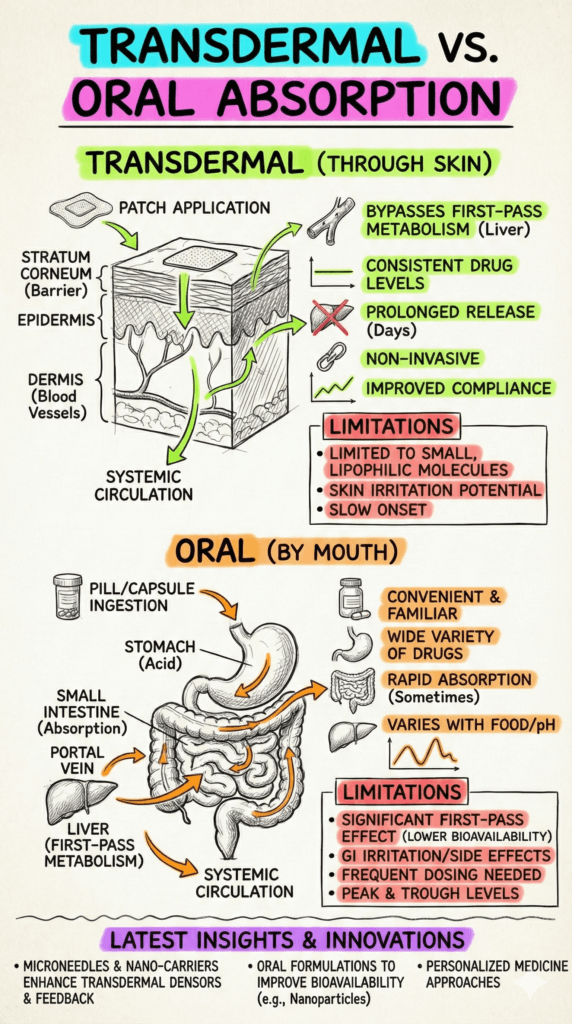
Explaining Transdermal Absorption and Metabolism
This video delves into how ingredients are absorbed through the skin and what that means to you. It also covers basic metabolism principles, explaining how your body uses energy. Understanding these biological processes is key to evaluating weight loss claims.
Building Sustainable Healthy Habits for Long-Term Success
This second video focuses on practical strategies for creating lasting healthy habits. It moves beyond quick fixes to discuss motivation, habit stacking, and overcoming common barriers to healthy living. Building these habits is the foundation for true, long-term well-being.
Making an Informed Decision
So, are weight loss patches safe? After reviewing the evidence and expert opinions, the answer isn’t a simple yes or no. It requires careful consideration.
Weighing the Pros and Cons
| Pros | Cons |
|---|---|
| Convenient to use | Limited scientific evidence for effectiveness |
| May offer a placebo effect for some users | Potential for side effects and adverse reactions |
| Some ingredients may have minor metabolic effects (e.g., caffeine) | Can lead to a false sense of security, delaying genuine lifestyle changes |
| May be preferred by individuals who dislike pills | Risk of skin irritation or allergic reactions |
| Not regulated for safety or efficacy by the FDA | |
| Can be expensive with little proven return on investment |
This table summarizes the key points to consider. The cons often outweigh the pros when looking at scientific backing and potential risks [14].
Is a Patch Right for You? A Checklist
Before even considering a weight loss patch, ask yourself these questions:
- Have I consulted my doctor about my weight loss goals and any potential products?
- Do I understand the ingredients in the patch and their known effects?
- Am I aware of the potential side effects and interactions with my current medications or health conditions?
- Am I prepared to prioritize diet and exercise regardless of using a patch?
- Do I have realistic expectations about what a patch can achieve?
- Have I researched the manufacturer and read reviews from reliable sources (not just marketing material)?
- Am I aware that the FDA does not approve these products for safety or effectiveness?
If you answer no to several of these questions, a weight loss patch is likely not a safe or effective option for you. Relying on established health practices is the wiser choice. Research from the New England Journal of Medicine consistently emphasizes the superiority of lifestyle interventions over supplementary aids for long-term health outcomes [15].
Common FAQs
Yes, absolutely. The adhesive used in patches can cause redness, itching, rashes, or even allergic reactions for some individuals. It’s important to monitor your skin where the patch is applied.
Pills are ingested and processed through the digestive system, while patches deliver ingredients through the skin. Absorption rates and the types of ingredients suitable for each delivery method can differ significantly. Some research suggests that transdermal delivery can provide a more consistent release of certain substances over time compared to pills, but this is highly dependent on the specific ingredient
There is no set timeframe. If you experience any results at all, they are usually seen after several weeks of consistent use, often alongside diet and exercise changes. However, many users report seeing no results at all.
Many weight loss patches claim to use natural ingredients. Common ones include green tea extract, Garcinia Cambogia, and various herbal blends. However, ‘natural’ doesn’t always mean ‘safe’ or ‘effective’. Even natural substances can have potent effects and side effects.
Yes, you should always inform your doctor about any weight loss product you are using, including patches. They need this information to monitor your health and ensure there are no harmful interactions with your medical conditions or medications. This aligns with standard medical advice for patient safety.
It is strongly advised not to use weight loss patches if you are pregnant or breastfeeding. The safety of most ingredients in these patches has not been established for pregnant or nursing women, and they could potentially harm the baby. Always consult your healthcare provider.
If you experience any adverse effects, such as skin irritation, nausea, rapid heart rate, or any other concerning symptoms, remove the patch immediately and contact your doctor. Do not continue using the product if you have a negative reaction.
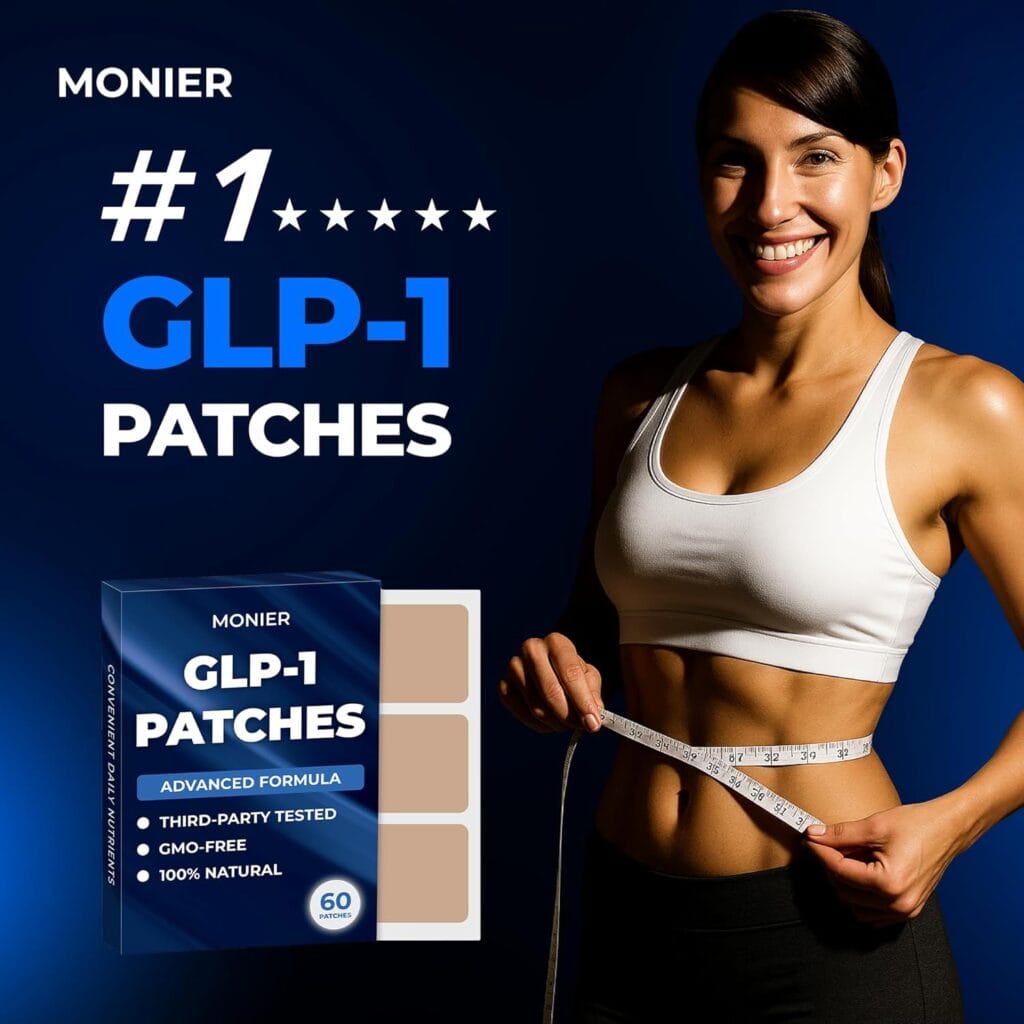
GLP-1 Patches for Women & Men
Harnessing the power of a thoughtful blend of botanical extracts, vitamins, and functional nutrients, our patches deliver steady, all-day support for metabolic vitality, digestive harmony, and overall resilience.
No pills. No hassle. Just consistent, reliable support—right through your skin.
Ultimately, the question ‘are weight loss patches safe‘ requires a nuanced answer. While some may offer temporary aid, they are rarely a magic bullet and can carry risks. Prioritize evidence-based strategies and consult with healthcare professionals. Take the first step towards a healthier, sustainable you by focusing on balanced nutrition, regular exercise, and mindful habits. Your long-term well-being is the ultimate goal.
The pursuit of health should be grounded in scientific understanding and personalized care, not in the promises of unproven remedies.
Dr. Anya Sharma
Medical Disclaimer: The content provided on this website is for informational purposes only and does not constitute medical advice. It is essential to consult with a qualified healthcare professional for any health concerns or before making any decisions related to your health or treatment.
Author Safety Statement: As a medical professional, I always advise consulting with your primary care physician before starting any new supplement or weight loss regimen, including patches. While many ingredients are generally considered safe, individual reactions and interactions with existing conditions or medications are possible. Thorough research and professional medical advice are paramount.

